Bryan Stevenson:
Well, I think it is particularly upsetting to African-Americans who have witnessed very different responses to protests throughout our lives. I grew up watching Civil Rights leaders who were committed to nonviolence, peacefully gathering and still get battered and beaten by law enforcement.
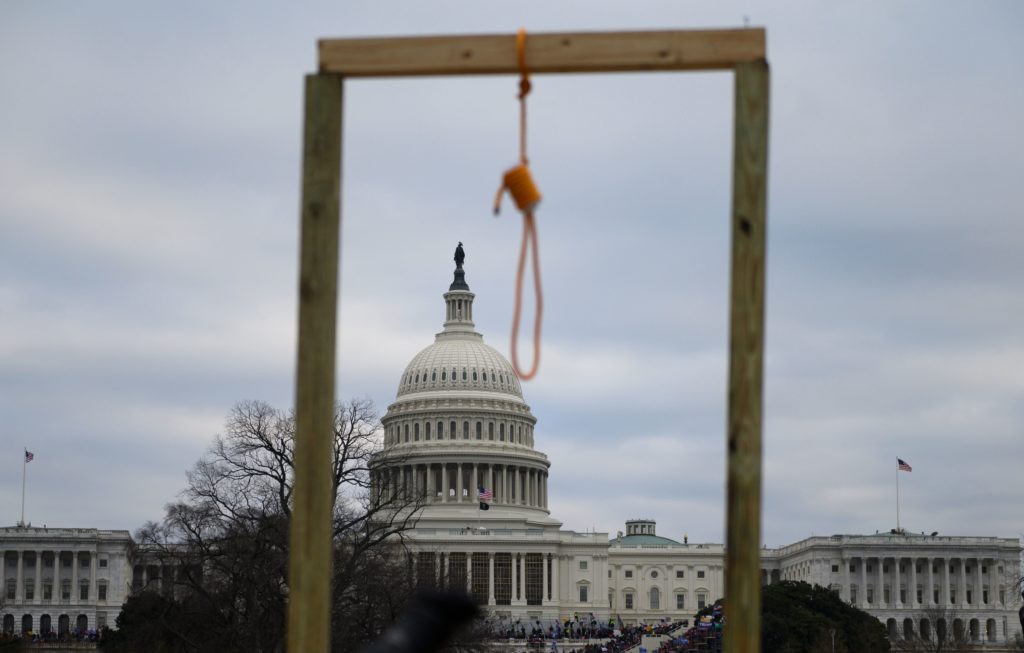
There was a presumption of dangerousness assigned to Black and Brown people that would manifest itself during Civil Rights demonstrations. Black folks would put on their Sunday best. They would try everything they could to present themselves as nonviolent, non-threatening, just seeking basic rights. And still they would get battered and beaten and bloodied. So it's very hard to then watch people who are armed, who are talking about violence, who are coming with weapons, who are coming with nooses, be trusted in the way that these protesters were.
There was a presumption of innocence assigned to the people in Washington last week, which made that that so challenging for us. I remember seeing Amelia Boynton Robinson, a middle-aged Black woman beaten unconscious on the Edmund Pettus Bridge. I grew up watching people like John Lewis get beaten and bloodied and battered, and it was by law enforcement. And that kind of the challenge of that memory with what we saw is really part of it. And it does reflect the problem that many of us deal with in this country and communities of color, which is what it's like to live in a nation where you are presumed dangerous, where your color, your race creates this presumption of guilt.
ncG1vNJzZmivp6x7sa7SZ6arn1%2Bjsri%2Fx6isq2ejnby4e9KypJunnKh6sLKMoZitnV2Wu6V506Gcoqpdp66ktcClZKKloKG2pK3Toqanq12WwW7Ax55knJmgnsGwuIyhoKWkXae2sMA%3D